

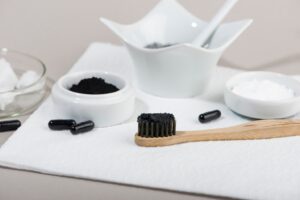
A bright, white smile is appealing to many people, and there are countless do-it-yourself teeth-whitening methods promoted online. From homemade whitening mixtures to inexpensive kits and unconventional ingredients, DIY options can seem like an easy way to save money. Unfortunately, trying to whiten your teeth without professional guidance can sometimes do more harm than good.
DIY Whitening Can Damage Enamel
Your tooth enamel is the hard outer layer that protects your teeth. Some DIY whitening methods involve abrasive ingredients, such as baking soda or acidic substances, that can damage enamel when used improperly or too frequently.
Once enamel is significantly worn away, it cannot grow back. Losing enamel can make your teeth appear more yellow because the naturally yellow dentin underneath becomes more visible.
You May Experience Tooth Sensitivity
Whitening products can cause temporary sensitivity, but using overly concentrated or inappropriate whitening substances can increase the risk of discomfort.
You may experience sharp sensations when consuming hot, cold, sweet, or acidic foods and beverages. If you already have sensitive teeth, cavities, enamel erosion, or gum recession, unsupervised whitening may make these problems worse.
Your Gums Can Become Irritated
Whitening products are designed to be used at specific concentrations and for specific amounts of time. Applying whitening substances directly to your gums or leaving a product on too long can irritate the soft tissues in your mouth.
Gum irritation may cause redness, soreness, or a burning sensation. Properly designed professional whitening treatments take precautions to minimize contact between whitening agents and your gums.
DIY Methods May Not Address the Real Problem
Yellow or discolored teeth can have many causes. Staining from coffee, tea, tobacco, and certain foods may respond well to whitening, but discoloration can also result from aging, trauma, certain medications, enamel defects, or dental decay.
If you whiten your teeth without identifying the cause of the discoloration, you may not get the results you’re expecting. In some cases, what appears to be a cosmetic concern could actually require dental treatment.
Dental Restorations Won’t Whiten
If you have crowns, veneers, bridges, or tooth-colored fillings, DIY whitening won’t necessarily change their color. Whitening natural teeth around an existing restoration can even create an uneven appearance if the natural teeth become noticeably lighter.
A dentist can evaluate your restorations and help you understand what results are realistic before you begin whitening.
Professional whitening can provide a controlled approach while reducing unnecessary risks to your teeth and gums. If you’re considering whitening your smile, schedule a consultation with your dentist first.
About the Practice
Beacon Dentistry of Weatherford is a local operation that treats each patient like a valued guest. We’re a tight-knit group with deep roots in the Weatherford community, and you’ll get the feeling that you’re part of the family each time you visit. For more information on cosmetic dentistry and other services we offer, visit our website or contact a friendly team member by phone at (817) 230-4340.